Alpine Huts and Mountain Tourism - Summary Report
Submitted by rbeltram on Fri, 19/09/2025 - 18:45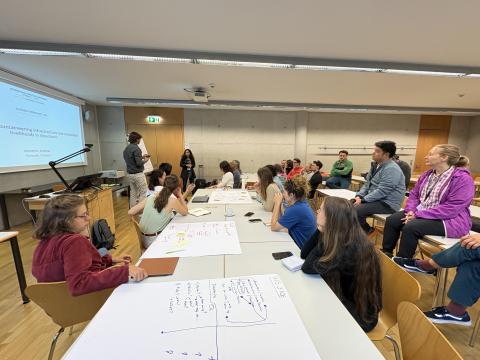
Al termine dell'IMC 2025, Il Gruppo che ha lavorato sul tema Tourism(s) in Mountain Huts: Climate Change, Toursim Flows, Visitor Impacts and Sustainable Management Solutions si è riunito con i Gruppi che si sono occupati rispettivamente di Sentieristica, Digitalizzazione ed Aree Protette per promuovere un percorso integrato tra gli stakeholder della filiera turistica in Montagna. Il contributo fornito si è basato sul keynote del Prof. Riccardo Beltramo, "Overtourism in Mountain Huts. A journey in search of evidence" e sulle relazioni presentate nel corso del workshop, il cui contenuto è stato riassunto nel post precedente. Il documento di sintesi che è stato prodotto per esser integrato con quelli provenienti dagli altri gruppi è riportato qui.
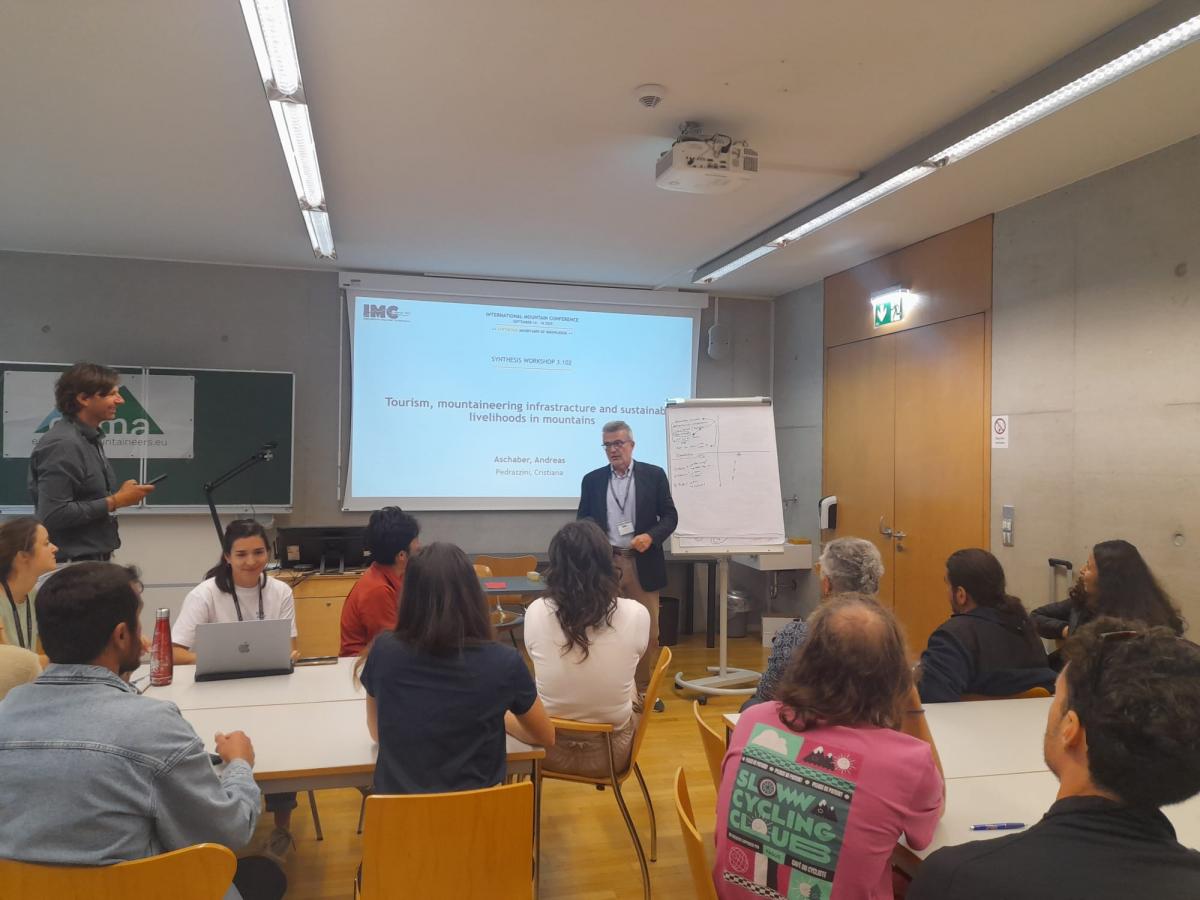
Il Synthesis workshop è stato animato dal Pesidente della EUMA - European Mountaineering Association, Andreas Aschaber.
Alpine Huts and Mountain Tourism - Summary Report
Overview
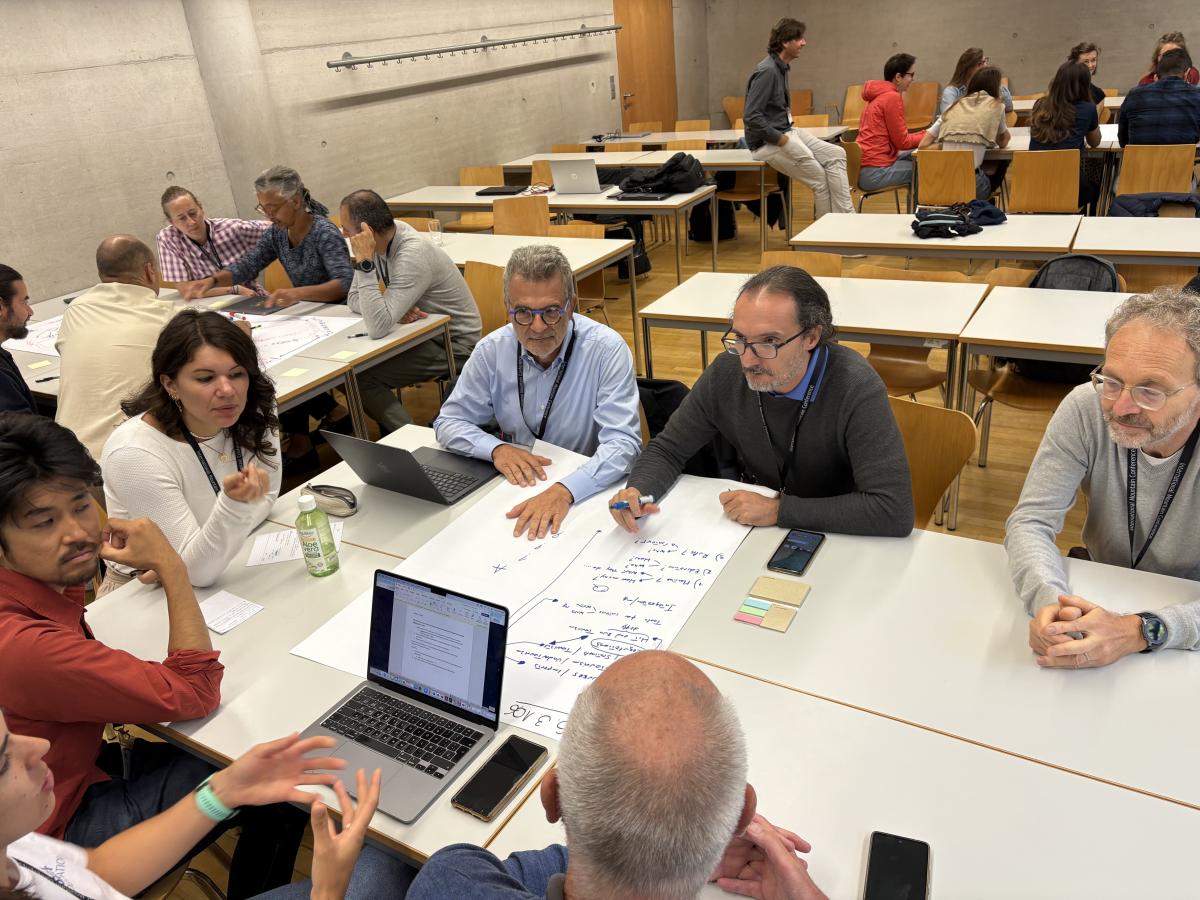
The workshop on Alpine Huts and Mountain Tourism explored the evolving role of huts as infrastructures located at the intersection of environmental, social, and economic dynamics. Once conceived primarily as simple shelters, huts are now facing the combined pressures of climate change, overtourism, and shifting visitor expectations. Contributions emphasized both the opportunities and the risks arising from this transformation, underlining the need for integrated approaches that connect research, management practice, and governance.
Key Insights
- Scientific Knowledge and Emerging Research Gaps
A bibliometric review confirmed that the scientific production on mountain huts and tourism is relatively limited, though growing. Italy and Austria lead in publications, with studies addressing climate change, environmental impacts (notably water and wastewater), and links with sustainable tourism. Yet, hut managers’ perspectives remain underrepresented, pointing to the need for more practice-based and participatory research. - Changing Visitor Profiles and the Transformation of Huts
The traditional role of huts as modest shelters is giving way to entrepreneurial models aimed at larger and more diverse audiences. Huts increasingly function as destinations in themselves, offering enhanced comfort, cultural events, and technological services. While this broadens accessibility, it also raises concerns about environmental impacts and the “urbanization” of alpine landscapes. - Hut Managers as Key Stakeholders
Survey evidence from 250 Italian huts shows that overtourism is already perceived as a reality in several regions. Accessibility and service levels significantly influence its intensity. Managers stress that tourism can be sustainable if visitor awareness is improved and if appropriate management strategies are applied. Their unique position makes them indispensable stakeholders for both monitoring and adaptation. - Resource Management under Climate Change
Water scarcity emerged as a central challenge. GIS-based decision-support tools and qualitative interviews highlight how huts in certain geological areas, especially dolomitic limestone, face critical vulnerability. Adaptive strategies are being developed, yet they often remain reactive and crisis-driven. Systematic data collection on attendance, water, and energy use is required to support long-term planning and resilience. - Operational Challenges: Food Waste and Logistics
Changing visitor behaviour—shorter stays and greater demand for meals—places new pressure on food supply chains and waste management. Research in the Euregio region highlights the need for strategic tools to optimize provisioning and minimize waste, thereby reducing both environmental impact and economic loss. - Huts as Anchors in Lightly Developed Mountain Areas
In “lightly developed” alpine spaces between ski resorts and protected areas, huts play a strategic role not only for recreation but also for pastoralists, guides, and rescuers. Long-term participatory research in Italy, France and Switzerland demonstrates how huts act as anchors of governance, history, and community in these transitional landscapes.
Cross-Cutting Themes
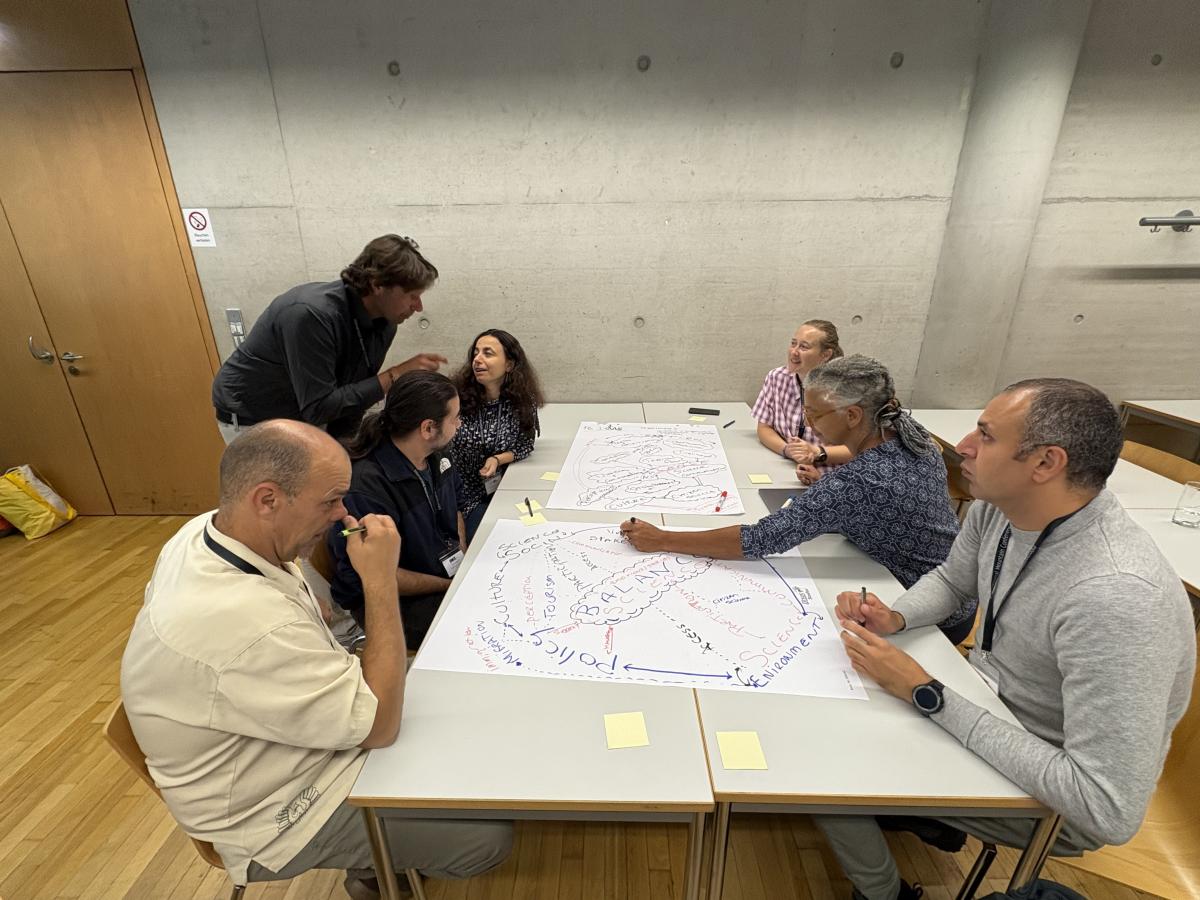
- Climate change and overtourism are deeply interconnected, shaping both visitor demand and ecological limits.
- The transformation of huts reflects broader social trends but risks undermining the ecological character of alpine environments.
- Hut managers are frontline actors whose experiences bridge science and practice.
- Sustainability challenges are concentrated on resource management, especially water, energy, and food.
- Huts function not only as tourist facilities but also as territorial anchors, sustaining governance and cultural identity.
Future Directions
- Develop a Transnational Observatory on Alpine Huts
Establish a standardized system for collecting and sharing data on visitor flows, resource use, and environmental impacts. Such an observatory would strengthen evidence-based decision-making and allow comparative analysis across regions. - Integrate Hut Managers into Research and Education
Position hut wardens as co-researchers and educators. Their lived experience can enrich scientific inquiry and support educational activities aimed at raising visitor awareness of sustainability challenges. - Advance Integrated Sustainability and Governance Models
Promote frameworks that combine technological innovation (GIS, decision-support systems) with participatory governance. This integration can ensure that huts evolve as resilient infrastructures, maintaining their ecological, cultural, and social functions while minimizing environmental impacts.